
Pickleball court construction across Kentucky
Pickleball Court Construction Service Areas in Kentucky
Kentucky is one state. It is not one jobsite.
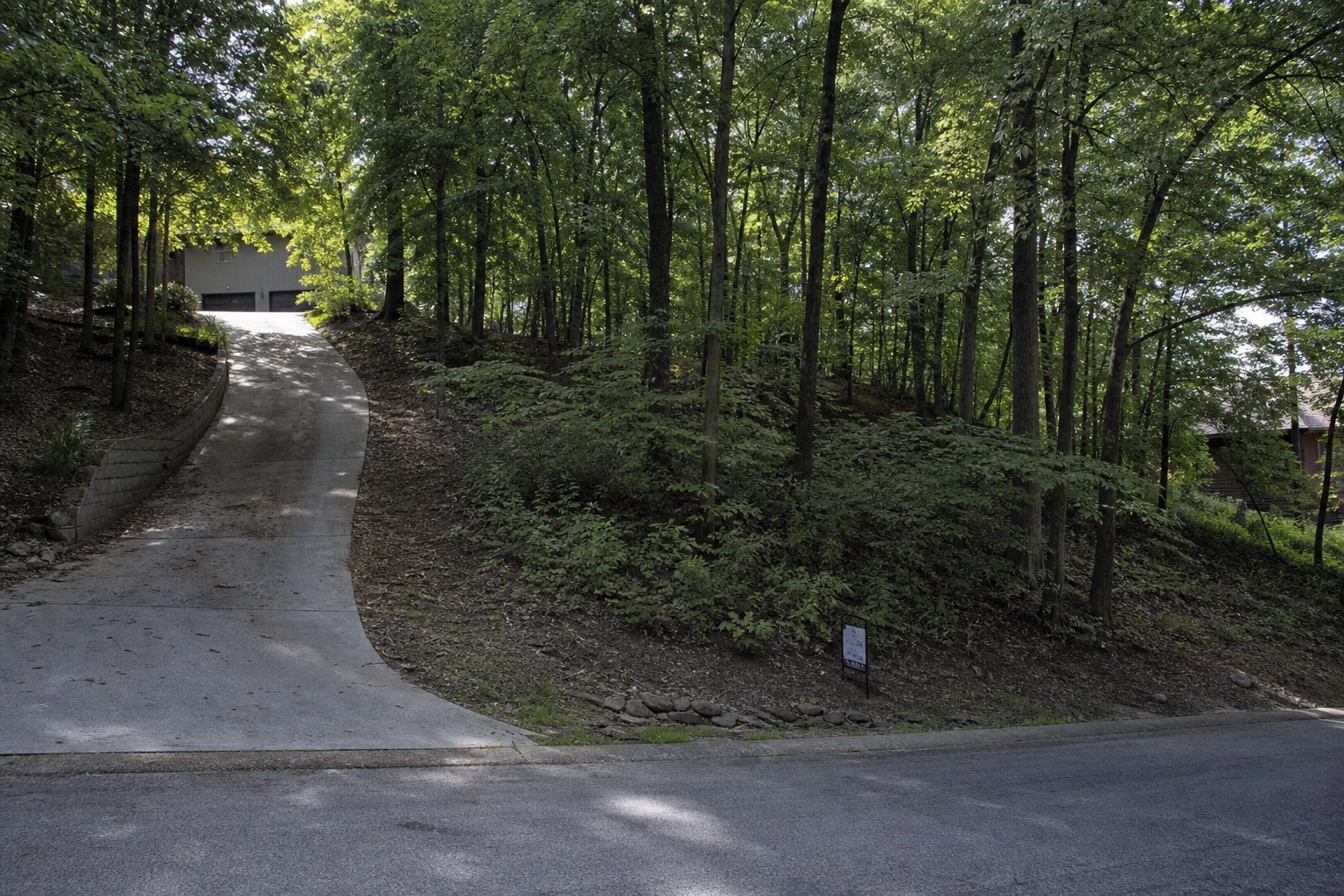
A Louisville property may sit near river ground or on a steep rear yard. A Lexington lawn may hide limestone and underground drainage. A Northern Kentucky lot may offer a wide view and very little level ground.
We evaluate the property before recommending the court.
Send the property address, photographs, approximate space, intended use, and the number of courts you are considering.
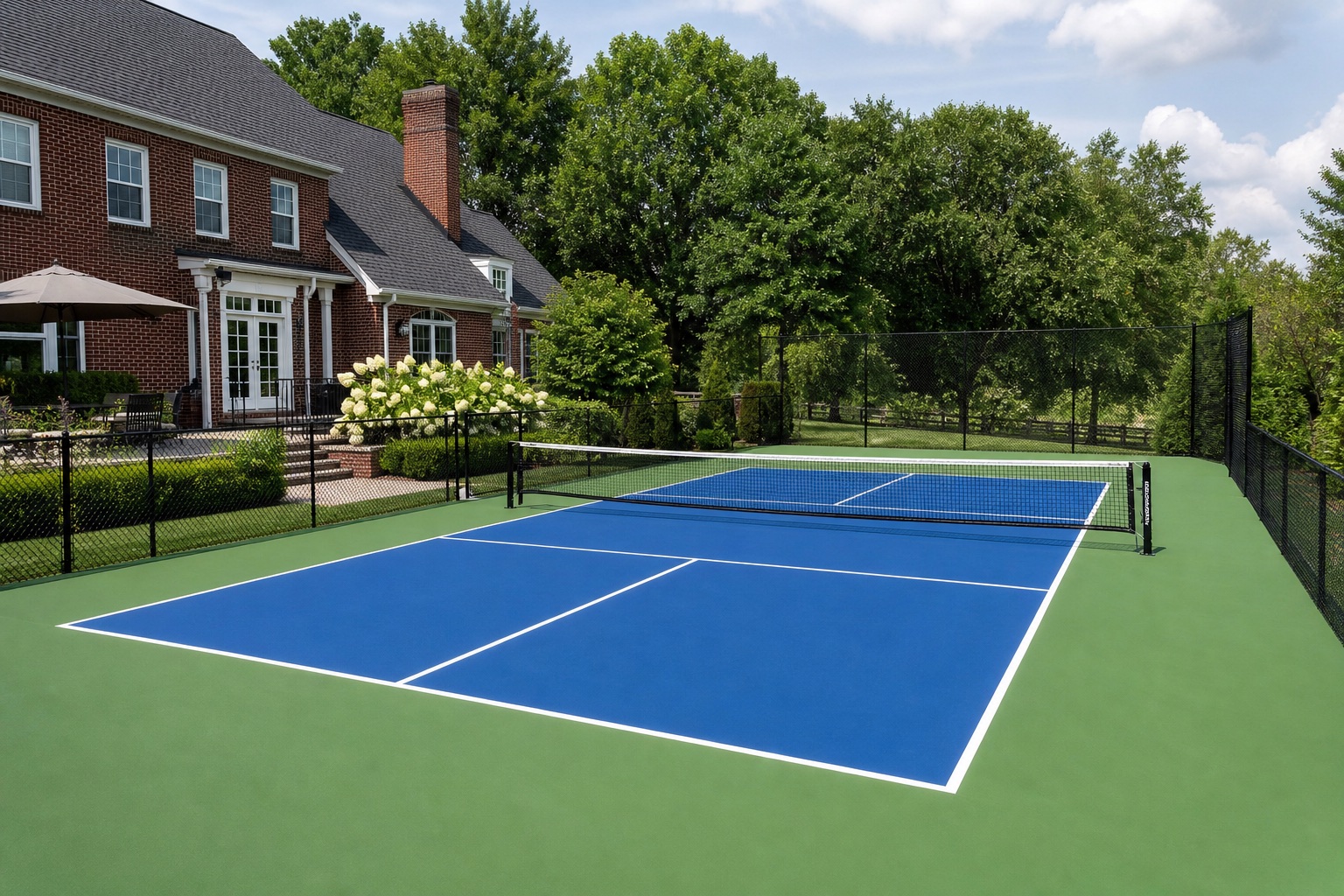
Three regional starting points
The court dimensions stay the same. Kentucky does not.
Choose the regional page that best matches the property. Each one explains the local construction conditions, communities, services, project proof, and questions that matter before pricing.
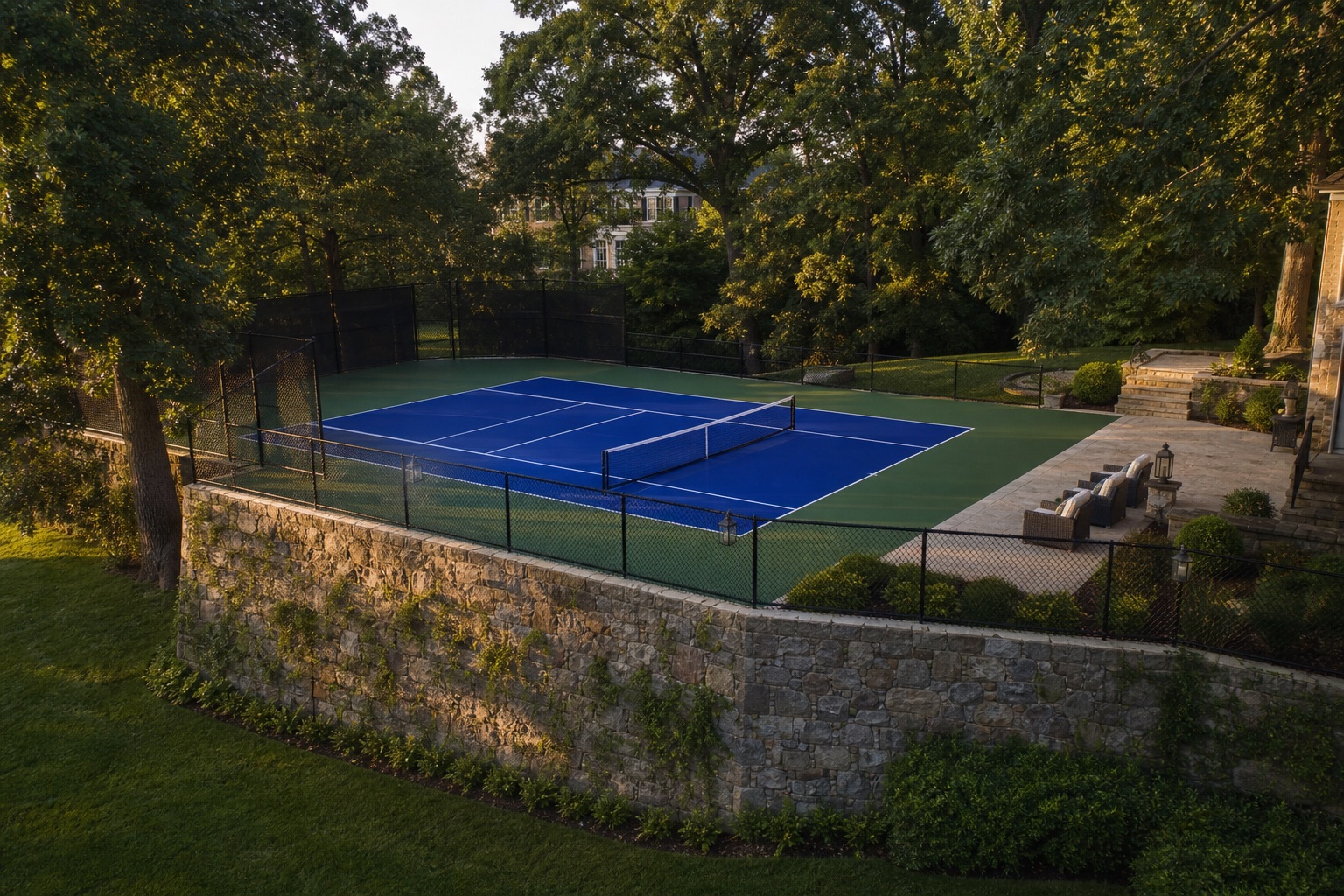
Tableland, valleys, mature properties, and steep rear yards
See how access, river-influenced ground, local review, established neighborhoods, and varied terrain shape Louisville-area courts.
Plan for this region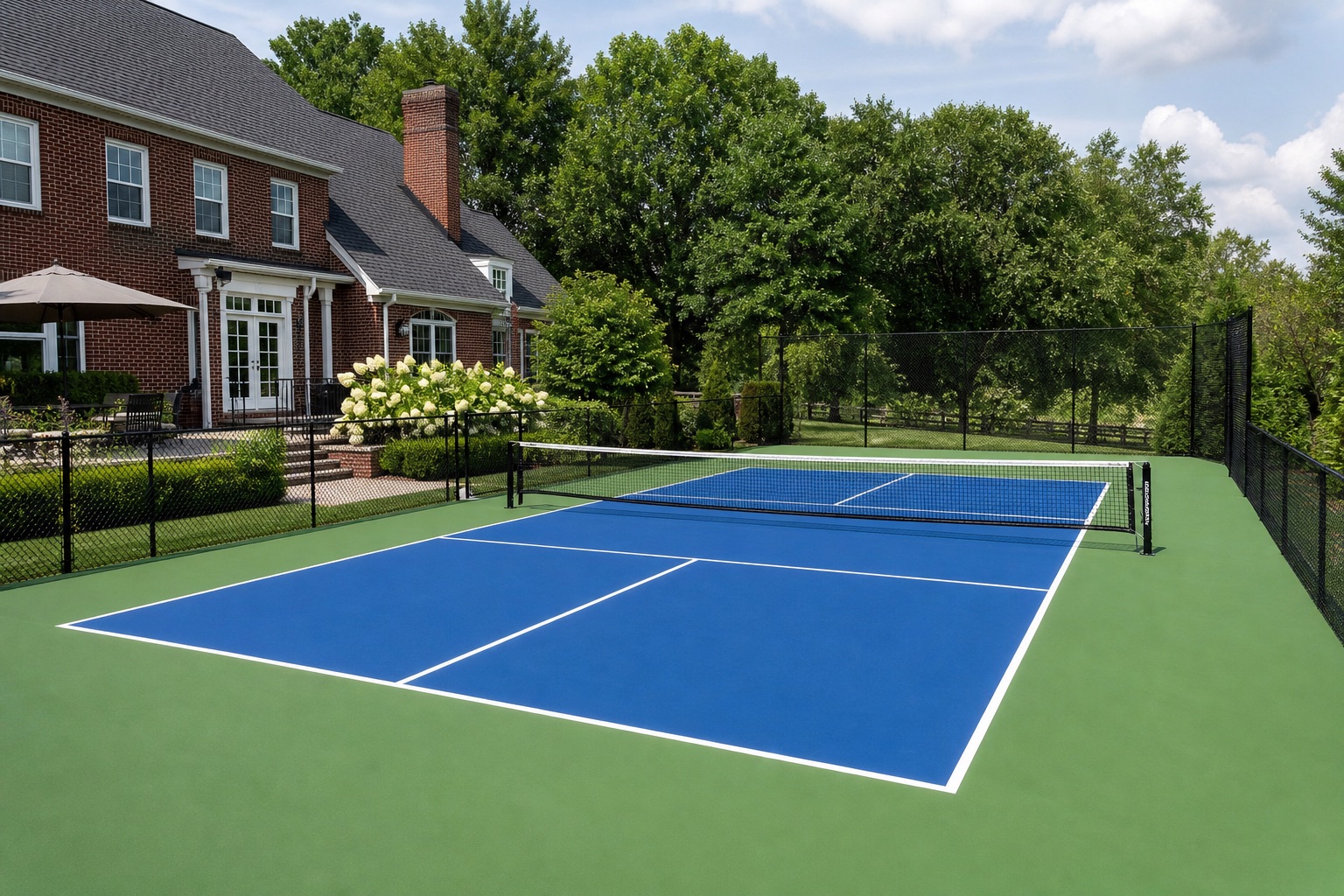
Limestone, rolling grade, rural properties, and neighborhood access
Plan around Inner Bluegrass geology, drainage, established lots, farms, HOA requirements, and commercial facilities.
Plan for this region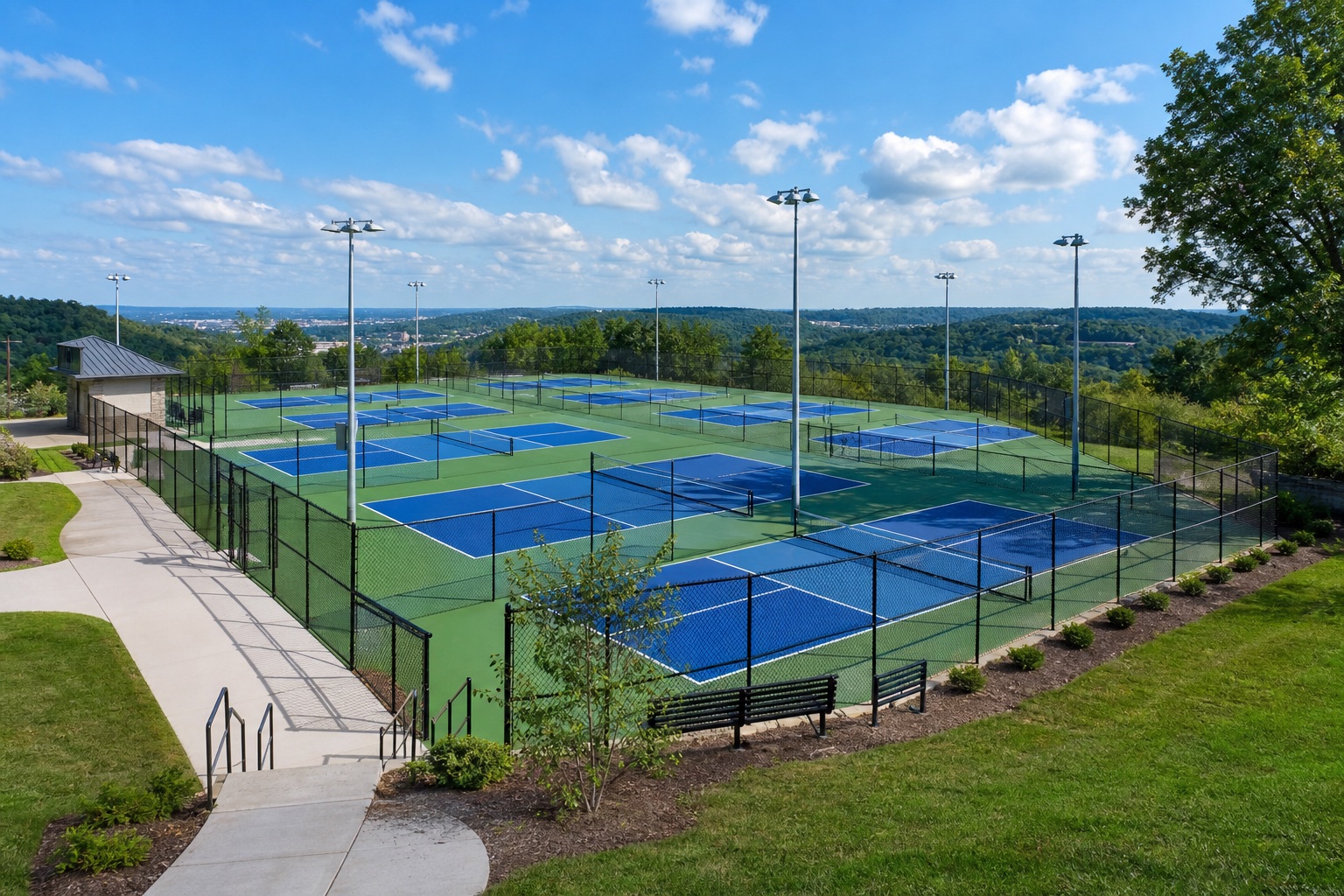
Ridges, river cities, wooded slopes, and limited flat ground
Evaluate elevation change, retaining work, downhill drainage, access, and jurisdiction-specific review across Boone, Kenton, and Campbell counties.
Plan for this regionThe property controls the plan
One rectangle can require very different ground work.
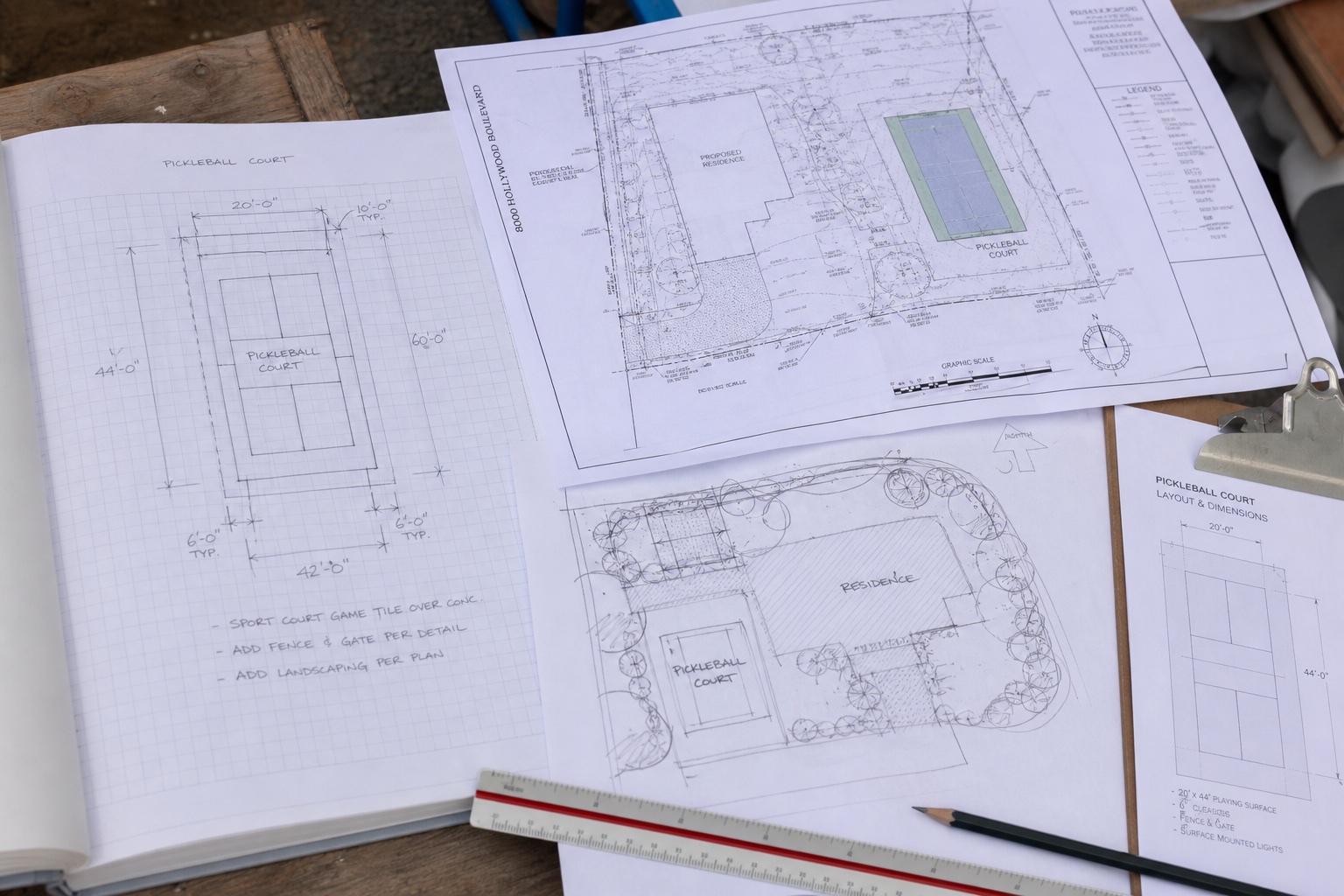
The official playing lines remain 20 by 44 feet. The preferred new-construction playing area remains 34 by 64 feet. But creating that level, stable, well-drained surface depends on what surrounds and supports it.
Kentucky terrain moves from river floodplains and gently rolling limestone uplands to narrow valleys, ridges, and steep wooded hillsides. Those differences affect excavation, drainage, equipment access, retaining work, foundations, utilities, fencing, and the final budget.
A Louisville site may involve an established neighborhood, mature trees, or river-influenced ground. Central Kentucky may introduce limestone, karst drainage, rural access, and rolling grade. Northern Kentucky often requires the court to be evaluated in section view because elevation can change quickly across the proposed footprint.
We begin with an address—not a preset package.
Services across Kentucky
Build the complete court around the property.
Depending on the site and intended use, work may include backyard pickleball courts, commercial facilities, and indoor court construction.
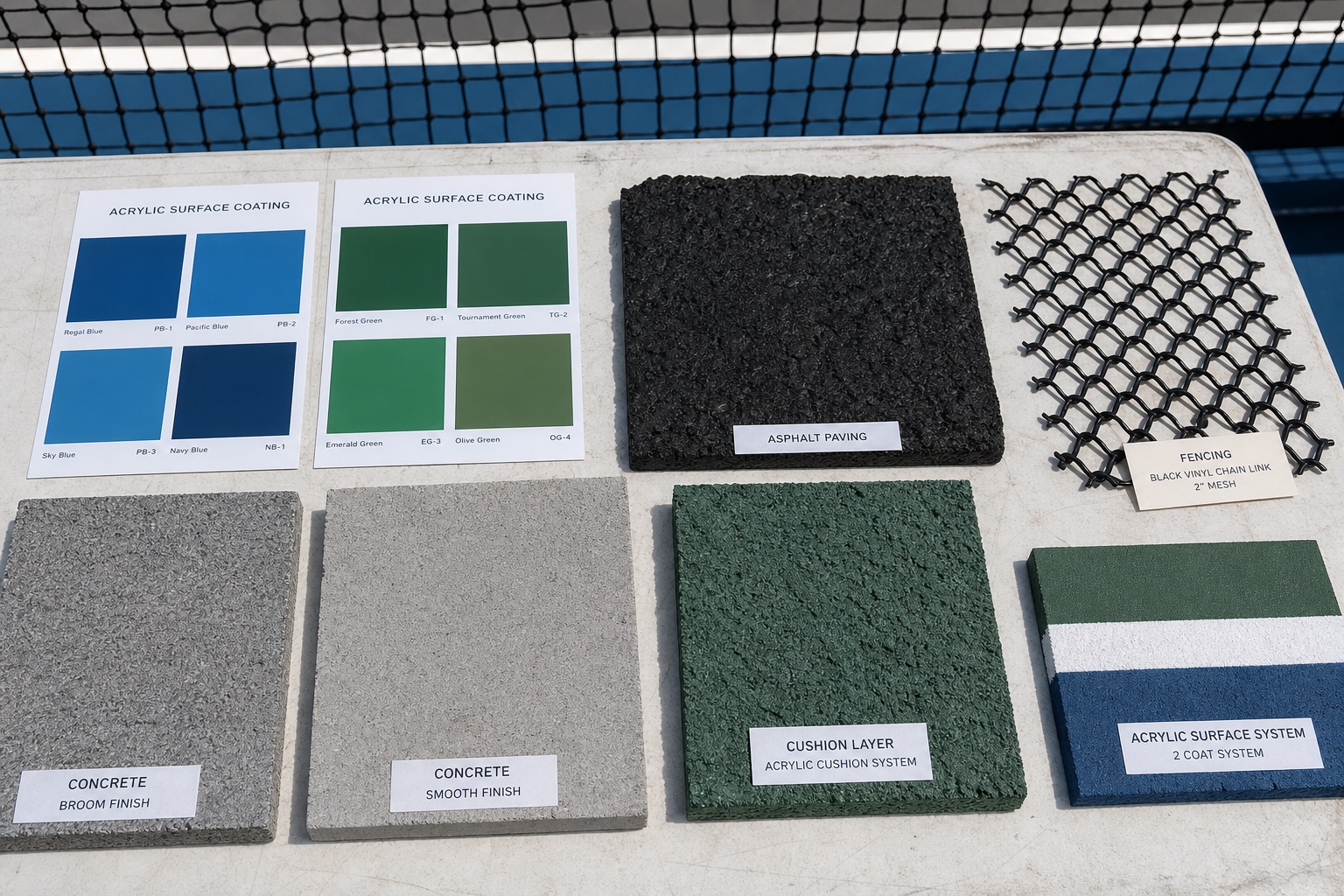
Existing pavement may be evaluated for a tennis-to-pickleball conversion or court resurfacing. New and existing facilities may also require coordinated surface systems, court lighting, and fencing and gates.
Not every service belongs on every property. The site evaluation determines what the court actually needs.
Regional cost variables
The court materials may be similar. The site conditions may not be.
Regional cost differences can come from excavation, shallow rock, cut and fill, retaining walls, drainage, floodplain conditions, equipment access, utility distance, local review, material delivery, mobilization, and landscape restoration.
A large property can still have a small practical building area. Existing pavement can reduce earthwork, but only when the foundation, slope, drainage, cracks, and surrounding systems remain suitable.
Use the Kentucky pickleball court cost guide to understand preliminary ranges and compare scope before asking one number to describe every property.
Communities beyond the regional pages
Serviceability is decided project by project.
The Louisville, Lexington, and Northern Kentucky pages provide the primary regional planning detail. Projects elsewhere in Kentucky may also be considered based on the address, project type, scope, schedule, and site conditions.
A community name does not guarantee feasibility, scheduling, or one standard construction plan. Two nearby properties may require different foundations, access strategies, drainage systems, and budgets.
If the property falls outside the listed regional areas, send the address and project basics through the free site-evaluation form. We will help determine the practical next step.
Kentucky service-area FAQs
Start with the property, not the county name.
The address and complete site conditions provide the useful answer.
Do you serve every Kentucky address?
We evaluate projects across Kentucky, but scheduling and feasibility depend on the location, scope, site conditions, and type of work requested. The address is the first useful detail.
Why do you need the property address before discussing a court?
The address helps identify the jurisdiction, terrain, access, utilities, floodplain context, nearby properties, and other conditions that may affect the layout and construction plan.
Are the same court services available in every region?
Backyard, commercial, indoor, conversion, resurfacing, surface, lighting, and fencing work may be considered across the service area. Not every service or construction system is appropriate for every property.
Does court cost change by region?
The materials may be similar, but excavation, rock, slope, retaining walls, drainage, access, utilities, permitting, mobilization, and restoration can change the complete project cost.
What should I send for an initial site evaluation?
Send the property address, wide photographs, approximate available dimensions, intended use, existing pavement, known drainage or access concerns, and any lighting or fencing needs.
Start with the address
Show us where the court needs to work.
Send wide photographs, approximate measurements, intended use, existing pavement, lighting and fencing needs, and any known drainage or access problems.