
Our story
About Kentucky Pickleball Court Builders
The Heart of the Bluegrass. The Future of the Game.
Kentucky Pickleball Court Builders was not started in a boardroom. It started on a cracked, abandoned tennis court.
Kentucky Pickleball Court Builders LLC was founded in Lexington in 2021 by Marcus Vance and David Miller. The company serves court projects across Kentucky.
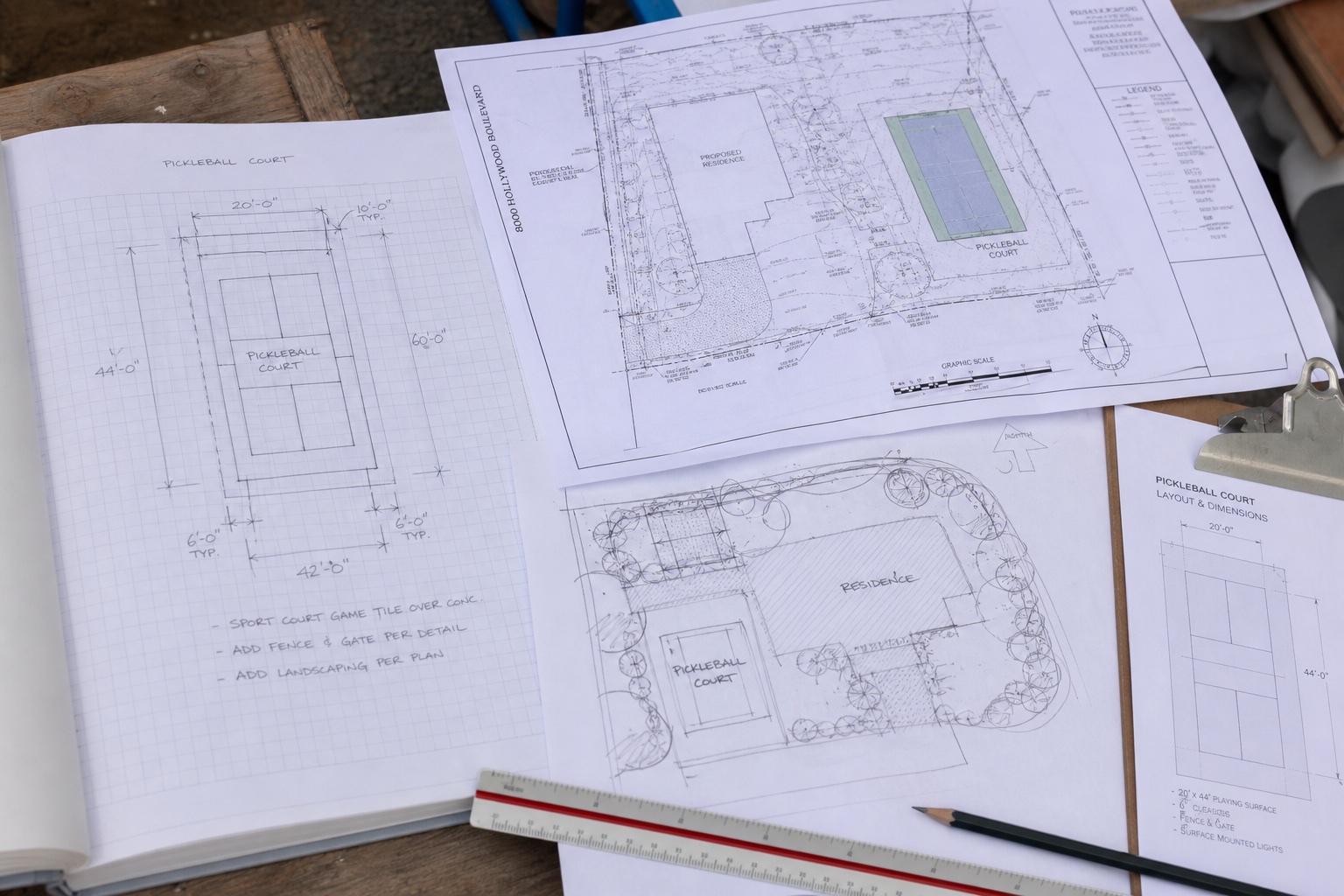
The opening problem
The sport grew faster than the courts.
The lines were everywhere—on aging tennis courts, basketball courts, and driveways never designed to become permanent playing surfaces. Pickleball had found its players. Kentucky’s court infrastructure had not caught up.
Players were still settling for overlapping tape lines, undersized run-off areas, failing pavement, portable nets, and concrete that cracked after a few Kentucky winters.
Marcus Vance saw the problem from both sides. He had caught the pickleball bug himself and brought 15 years of commercial concrete and flatwork experience. Kentucky did not need more lines painted on general-purpose pavement. It needed courts built specifically for pickleball.
The origin
From a failing tennis facility to a court-building company.
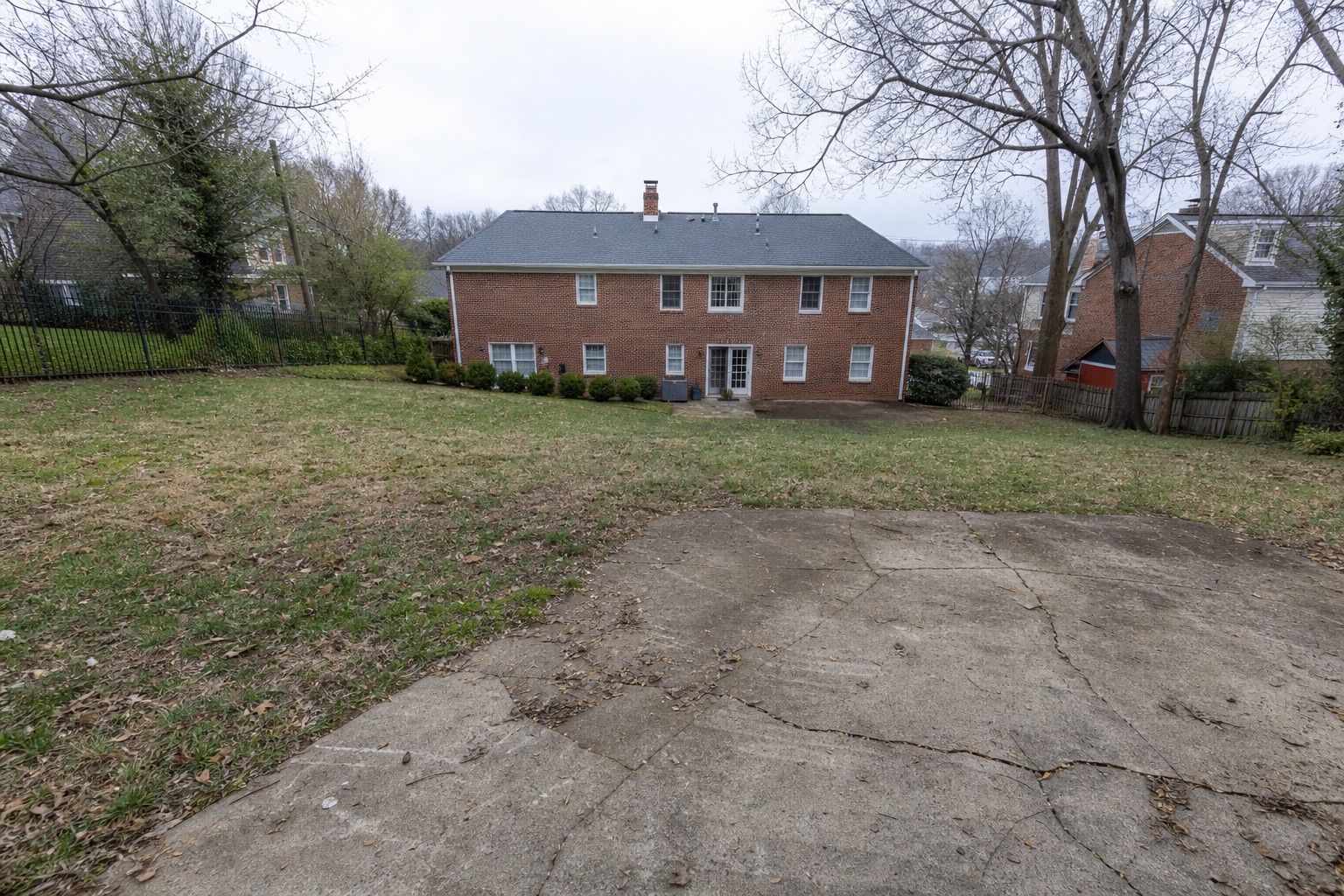
The turning point came in late 2021. Marcus’s neighborhood HOA in South Lexington had an abandoned, 20-year-old tennis facility. Moss covered the pavement, cracks crossed the surface, and the space no longer served the neighborhood.
Marcus brought the conversion to David Miller, who earned a civil engineering degree from the University of Kentucky and has 12 years of grading, drainage, and site-development experience. Their research showed that a reliable conversion required controlled grading, consistent drainage, stable preparation, structural crack control, correct clearances, predictable ball response, permanent equipment, and lighting and fencing designed around play.
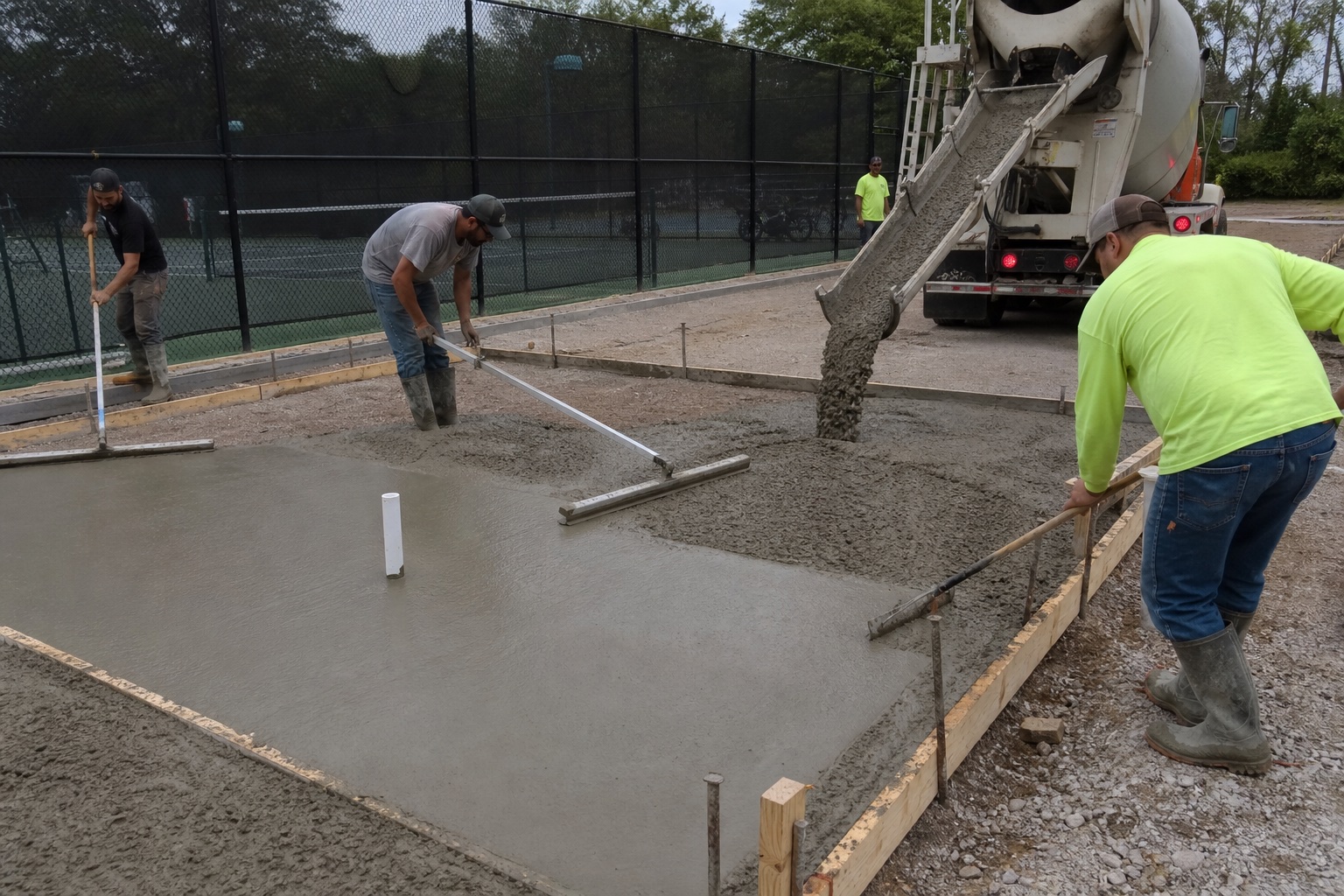
They converted the two failing tennis courts into six dedicated pickleball courts using a laser-graded foundation, post-tensioned concrete, professional acrylic cushioning, permanent equipment, and court-specific drainage.
The Copperfield HOA Conversion, completed in late 2021, became the company’s founding project and a neighborhood gathering place. Within a month, three other communities contacted Marcus and David.
The central belief
A court is a system, not a slab.
Most people first notice the color. We begin much earlier. Each decision affects the next: drainage supports the foundation, the foundation supports the surface, and the finished details determine how the court plays and functions.
- 01
Evaluate
Property access, available space, soil, utilities, and intended use.
- 02
Shape the site
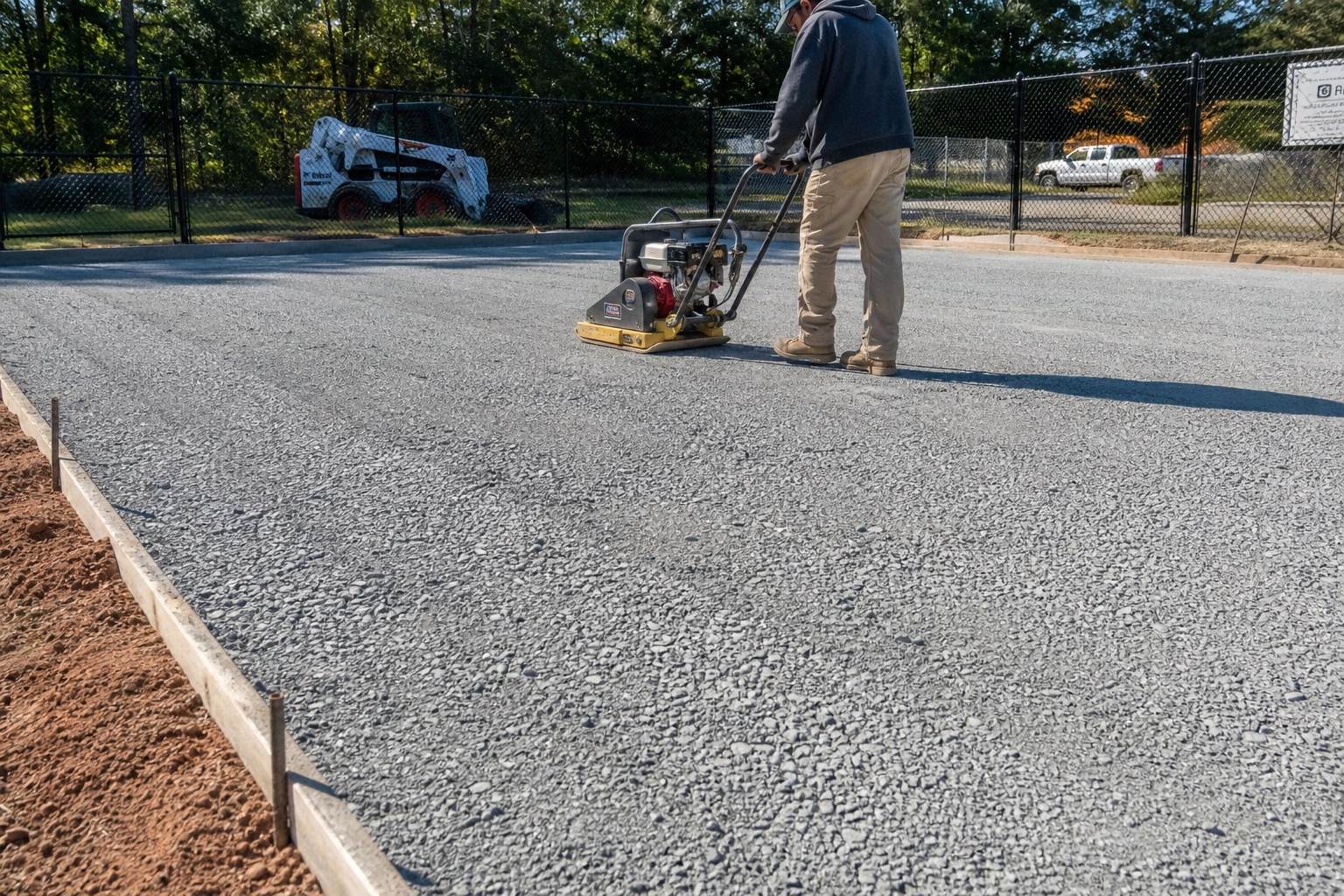
Excavation, controlled grading, drainage, and compacted aggregate.
- 03
Build the foundation
The structural concrete or asphalt system beneath the playing surface.
- 04
Create the court
Acrylic or modular surfacing, regulation lines, and net equipment.
- 05
Complete the system
Fencing, gates, dividers, lighting, restoration, and maintenance planning.
Kentucky experience
Built around Kentucky ground.
Kentucky does not give every court the same ground. Some Lexington sites expose limestone during excavation. Louisville properties may involve river-influenced soil, mature urban lots, or steep rear yards. Northern Kentucky properties can fall several feet between proposed baselines.
Other sites contain wet clay, unstable fill, aging asphalt, or drainage patterns directing water toward a house. The official court dimensions remain the same. The construction plan does not.
- Limestone and shallow rock
- Clay and weak soil
- Freeze-thaw movement
- Surface and subsurface water
- Existing fill
- Steep elevation changes
- Restricted access
- Mature trees and nearby homes
The mission
The Heart of the Bluegrass. The Future of the Game.
Our mission is to elevate pickleball across Kentucky by delivering professional-grade, custom-built courts that bring people together—one property, one community, and one game at a time.
A court is not simply poured and painted. It is evaluated, graded, drained, built, surfaced, equipped, and finished as a connected playing system.
Tell us where your court could goBuild with a court-first team
The first useful step is a clear look at the property.
Share the address, a few wide photographs, and the result you want. We will review the site information and determine the most useful next step.